
The third month in the Islamic calendar is Rabi-ul-Awwal, and it has great spiritual significance for Muslims all over the world. This holy month is a time to reflect, celebrate, and become more devoted. Muslims use this time to reflect on Prophet Muhammad’s (PBUH) life, lessons, and the message of Islam, which has been around for a long time and continues to guide billions of people today.
As we approach this blessed time, the Muslim charity, Al Mustafa Welfare Trust invites you to avail yourself an opportunity to donate Sadaqah, Zakat, and Sadaqah Jariyah to honor the Messenger of Allah (PBUH), who inspired Muslims.
When is 12 Rabi Ul Awwal 2025?
The 12th Rabi Ul Awal is expected to fall on September 04, 2025. Millions of Muslims worldwide will celebrate the birth of Prophet Muhammad (PBUH) and commemorate the lessons He taught about love, unity, and kindness.
Why is 12 Rabi-Ul-Awal So Special?
12 Rabi al Awal is so special because it marks the birth of Prophet Muhammad (PBUH). He was the last messenger sent by Allah (SWT) to lead people. His birth is considered a gift to humanity as his life and teachings brought the Islamic message, transforming the hearts and minds of people‚ across the Arab world and beyond.
The world learned about fairness, forgiveness, peace, and justice from Prophet Muhammad (PBUH). His message emphasized the importance of unity among Muslims, regardless of race or status. Muslims observe 12 Rabi Ul Awal to honor his priceless contributions and the great influence he made on humanity.
Muslims worldwide participate in various religious activities during this blessed month, including additional prayers, recitations of the Holy Quran, and acts of charity.
These acts of kindness and generosity align with what the Prophet (PBUH) taught, giving Muslims a chance to get rewards while helping people in need.
The Life of Prophet Muhammad (PBUH)
Prophet Muhammad (PBUH) was born as an orphan, a reality that shaped much of His character and compassion toward those who were orphans. Despite the many challenges the Prophet Muhammad (PBUH) faced, including the loss of his mother at an early age, he became a leader whose influence is still felt more than 1,400 years later.
The Hijrah, the journey from Makkah to Medina, was among the most important occasions of his life. Along with a planned move, this path was evidence of the Prophet’s (PBUH) resilience under hardship.
The Hijrah marks a new beginning in Islamic history, as it sets the foundation for the first Muslim community in Medina, one built on mutual respect, justice, and solidarity.
Muslims learn countless lessons from the life of Prophet Muhammad (PBUH). His narrative is one of empathy, forgiveness, and love. Despite all the suffering, the Prophet (PBUH) constantly showed compassion and patience, qualities that Muslims need to emulate, particularly in difficult situations.
Donate to a Cause this Rabi Ul Awwal
One of the core teachings of Islam, and a central theme in the life of Prophet Muhammad (PBUH) is giving charity. It is said that one of the best ways to soften the heart is to help those in need, particularly orphans and the poor.
The Prophet Muhammad (PBUH) said,
“If you want to soften your heart, then feed the poor and pat the head of the orphan.” (Musnad Ahmad 7576)
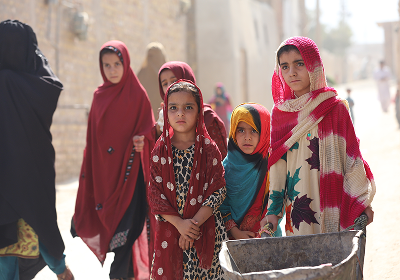
Al Mustafa Welfare Trust invites you to join hands to support orphans, By giving Zakat, Sadaqah, or Sadaqah Jariyah, you can provide essential support like food, shelter, healthcare and education to orphans who desperately need your help!
Donating to sponsor an orphan is not just an act of charity, but it is also a way to follow in the footsteps of the Prophet (PBUH), who always advocated for the care and protection of orphans.